How to Fold a Football Shirt for Storage or Travel
2026-09-28
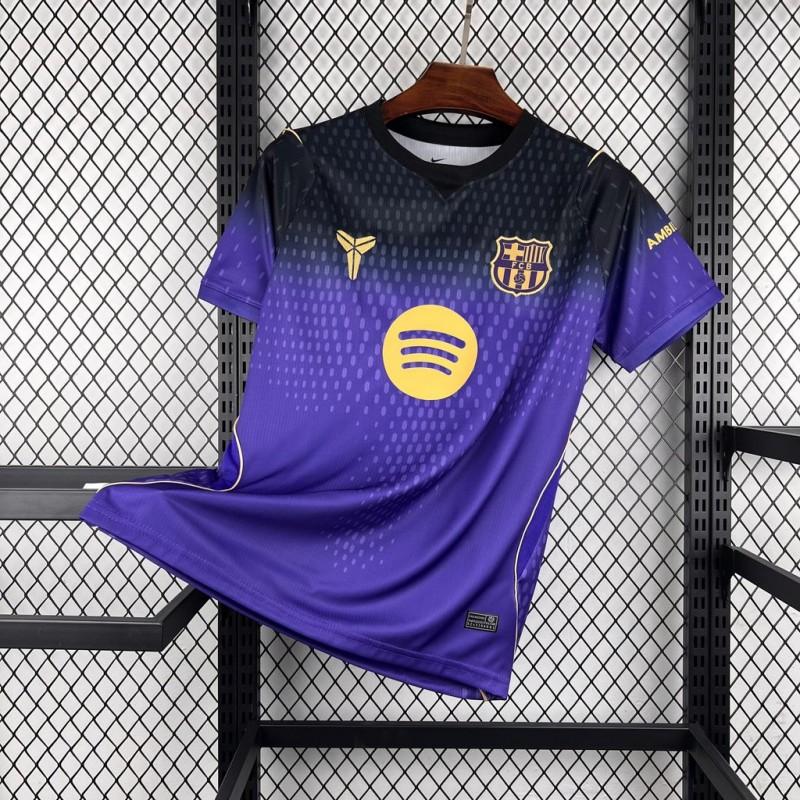
Purple and black football shirt used to plan a careful fold around visible details
Learning how to fold a football shirt is mainly about avoiding pressure in the wrong places. A hard fold across a name, number or raised graphic can leave a persistent crease. Dampness, heat and tight compression can create more risk than the fold itself.
Always follow the garment’s own care label. The steps below are general storage and travel principles, not restoration advice for signed, fragile or historically valuable shirts.
Before folding: clean, dry and inspect
Make sure the shirt is completely dry. Check both sides under good light and note any raised or delicate details. Close nothing around trapped moisture. If the shirt needs washing, follow the label and use the separate football shirt care checklist before storage.
A simple shelf fold
Lay the shirt face down on a clean, smooth surface.
Smooth it gently without stretching the fabric.
Fold each sleeve inward along its natural seam.
Bring the sides inward only far enough to fit the shelf or box.
Fold the lower body upward, stopping below any stiff back print when possible.
Turn the folded shirt over and check that no raised detail is trapped on a sharp edge.
If the back carries a large name or number, use a wider fold or place clean, acid-free tissue between layers. Avoid stacking heavy objects on top.
Folding for a suitcase
Travel creates movement and compression. Place the shirt near the top of the case, separate it from shoes and hardware, and avoid packing it against zips. A gentle roll can reduce hard creases on an undecorated shirt, but rolling is not automatically safer when large prints are present. Choose the method that keeps the actual details flat.
Fold, hang or frame?
Method
Useful when
Main caution
Folded flat
Shelf or box storage
Avoid folds across prints and heavy stacks
Supportive hanger
Frequent access
Narrow hangers can distort shoulders
Gentle roll
Short travel with a simple shirt
Raised graphics may curve or press together
Framed display
A shirt is primarily for viewing
Use a deep, reversible textile-safe mount
The Barcelona 2026 away shirt listing is a useful example of why you should inspect the actual design before folding: the visible gradient and gold-colour details should remain unobstructed when you decide where the fold lines sit.
Long-term storage checks
Use a cool, dry place away from direct sunlight and radiators. Do not seal a shirt while damp. Avoid overcrowding a drawer until the stack becomes heavily compressed. Reopen long-term storage periodically to check for moisture, colour transfer or a fold resting against a raised detail. For a display piece, use the separate guide on how to frame a football shirt after that article is published.
Conclusion
The safest fold is the one designed around the individual shirt. Start clean and dry, keep pressure away from names and numbers, and choose a shelf, box, suitcase or frame according to how the shirt will be used. The new-season collection shows why one fixed folding pattern cannot suit every design.

 USD
USD
 ANG(ƒ)
 LKR(₨)
 EGP(EGP)
 BZD(BZ$)
 CRC(¢)
 MAD(DH.)
 OMR(RO.)
 KES(KSh)
 GHS(₵)
 UGX(USh)
 RSD(Din.)
 RON(lei)
 PGK(K)
 CDF(CDF)
 UYU($U)
 KZT(〒)
 PKR(Rs)
 MNT(₮)
 ARS(ARS$)
 COP(COP)
 MVR(Rf)
 IQD(د.ع)
 BDT(Tk)
 ZMW(ZK)
 NAD(N$)
 JMD(J$)
 AOA(Kz)
 MMK(K.)
 PEN(S/.)
 MOP(MOP$)
 BND(B$)
 LAK(₭)
 VND(₫)
 NGN(₦)
 KHR(៛)
 TWD(NT$)
 CNY(¥)
 SAR(S.R.)
 BHD(BD.)
 QAR(QR.)
 KWD(K.D.)
 UAH(₴)
 IDR(Rp)
 MYR(RM)
 AED(AED)
 JPY(円)
 INR(Rs)
 TRY(₺)
 CLP(CLP)
 KRW(₩)
 ZAR(R)
 SEK(Kr)
 ILS(₪)
 HKD(HK$)
 THB(฿)
 PLN(zł)
 NZD(NZ$)
 NOK(Kr)
 MXN(MXN$)
 HUF(Ft)
 CZK(Kč)
 SGD(S$)
 PHP(₱)
 DKK(kr.)
 CHF(CHF)
 BRL(R$)
 RUB(₽)
 CAD(CA$)
 AUD(AUD)
 GBP(£)
 EUR(€)
 Barcelona
 Real Madrid
 Manchester United
 Inter Miami
 Manchester City
 Fc Bayern
 Ac Milan
 Chelsea
 Juventus
 Arsenal
 PSG
PSG Liverpool
 Inter Milan
 Santos FC
 Roma
Roma Portugal
 Al Nassr
 Atletico Madrid
 Everton
 Everton
 Germany
 Ajax
Ajax Mexico
 Napoli
 Columbia
 Sporting lisbon
 France
 Tottenham
 Morocco
 Real Betis
 Brazil
 USA
USA ltalia
 Argentina
 England
 Borussia Dortmund
 Spain
Spain Japan
Japan Netherlands
 Adidas
 Nike
Nike Puma
Puma NB
NB Kappa
Kappa