Real Madrid 3rd Kit 2026: Compare 26/27, 25/26 and Classic Options
2026-09-21
The Real Madrid 3rd kit is the alternate shirt option shoppers look for when they want something different from the familiar home colorway. It can also be a useful way to compare seasons, match a complete outfit, or find a women’s or shorts option. This guide focuses on the product pages available in the Real Madrid collection at THJORE and explains how to read the season labels without guessing at details that are not shown.
The primary search term for this guide is real madrid 3rd kit. Related searches include real madrid football shirt, real madrid 3rd kit 25/26, real madrid 3rd kit 25 26, real madrid 3rd kit 24 25, adidas real madrid 3rd kit, and real madrid third kit. Those phrases point to a mixed audience: some visitors are ready to compare a product, while others are still learning which season or format fits their needs.
What a Real Madrid 3rd kit means
A third kit is the alternate shirt option presented alongside a club’s home and away choices. On a shopping page, the label normally tells you two things at once: the club and the season reference. “Real Madrid 26/27 Third Kit” identifies the club, the third-kit role, and the 26/27 season label. A 25/26 listing uses the same logic for the prior season reference.
The label is useful because it gives you a clean way to compare like with like. If you are collecting shirts, season labels help you keep an organised record. If you are buying one shirt for everyday wear, the label helps you distinguish the current listing from older options. If you are shopping for a complete look, a third-shirt listing can be paired with a separate shorts listing when that product is available.
The Real Madrid collection page is the broadest starting point because it contains 252 products according to the supplied collection fact. Visit the Real Madrid collection when you want to scan the wider range before opening a specific product. The public title and meta description are already semantic, so the collection works as a useful hub for navigation.
The current 26/27 third kit listing
The current product supplied for this brief is the Real Madrid 26/27 Third Kit. Its page title is “Real Madrid 26/27 Third Kit,” and the observed sample price was $49.90 when checked on 2026-09-21. Because prices can change, treat that figure as a page observation rather than a permanent promise.
A product title gives you a reliable first filter. It tells you that this page is for the third kit rather than the home or away kit, and it attaches the 26/27 season label. From there, use the page’s own selectors and information to decide whether the listing matches your needs. The safest habit is to read the live page immediately before purchase, especially when a query contains a season shorthand such as 25/26.
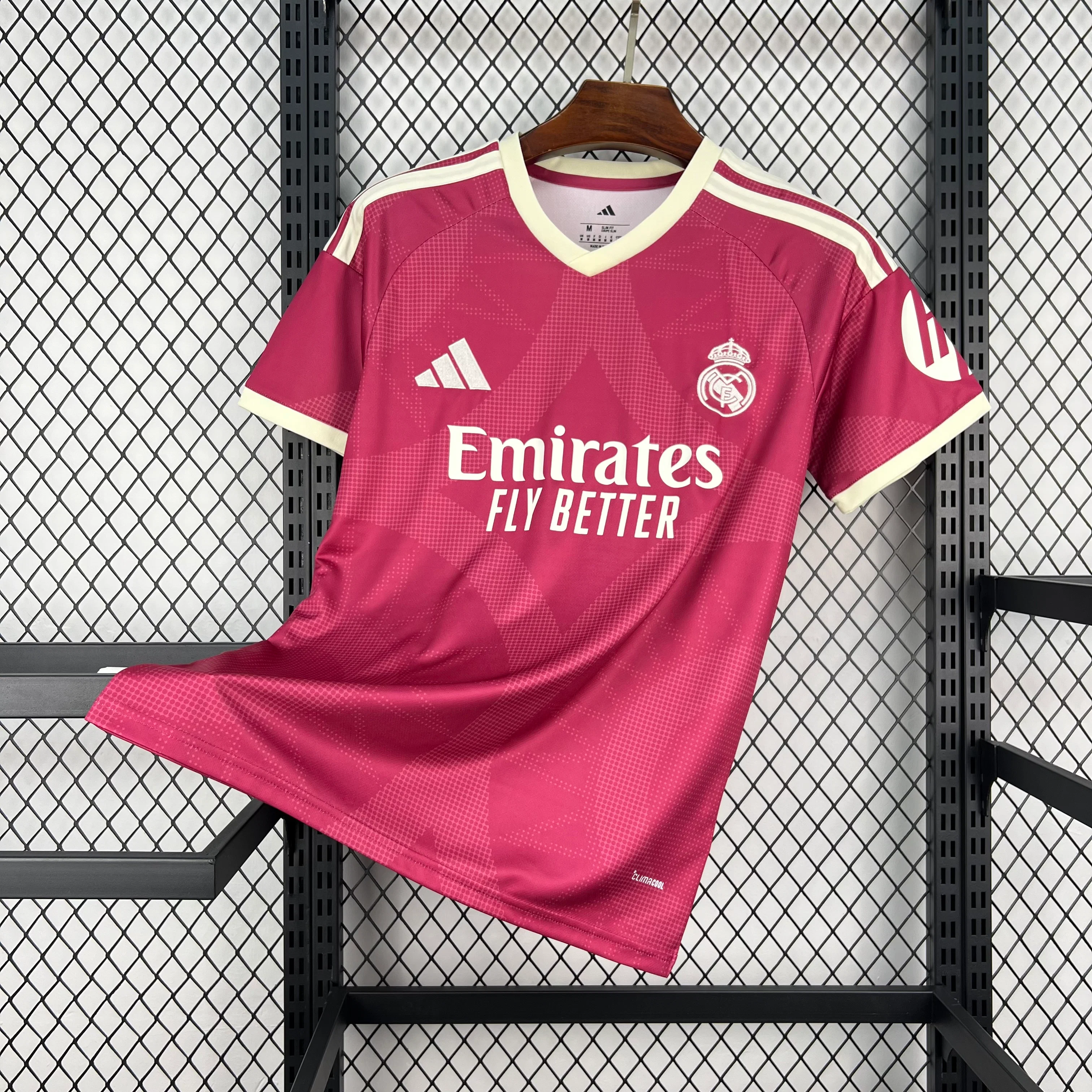
Real Madrid 26/27 Third Kit product image
The image above is included to make the product easier to recognise while comparing search results. It is not used to infer colour, fabric, badge treatment, sponsor details, or player association. Those details should come from the current product page if they matter to your decision.
Third kit compared with home and away
A useful comparison starts with the same season. The supplied Real Madrid 26/27 Home Kit and Real Madrid 26/27 Away Kit pages give you two same-season reference points. Both had an observed sample price of $49.90 on the research date. The third, home, and away pages are therefore straightforward to compare by role and season label before you think about personal styling.
Product page
Season label
Role
Observed sample price
Real Madrid 26/27 Third Kit
26/27
Third/alternate
$49.90
Real Madrid 26/27 Home Kit
26/27
Home
$49.90
Real Madrid 26/27 Away Kit
26/27
Away
$49.90
2025/2026 Real Madrid Third Women
25/26
Women’s third listing
$37
2025/2026 Real Madrid Third Shorts
25/26
Third shorts
$26
15/16 Real Madrid Third Kit
15/16
Older third listing
$49
17/18 Real Madrid Third Premium Kids Size Kit
17/18
Older kids-size listing
$49.90
The table is a snapshot from the supplied product facts. It does not imply that every size, option, or price remains available. It gives you a consistent starting point: match the season first, then compare the role, and finally check the live page for the details that matter to you.
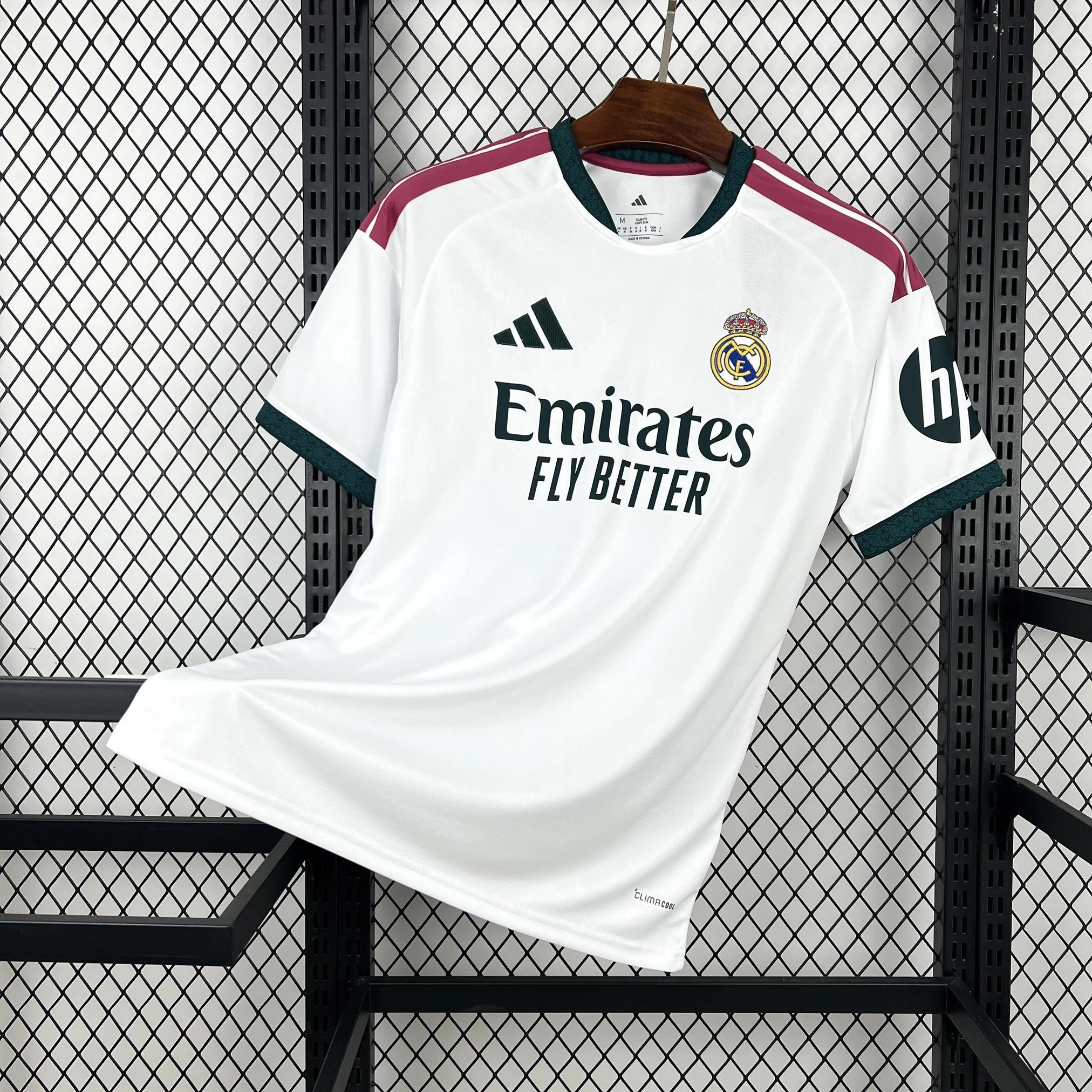
Real Madrid 26/27 Home Kit product image
The home-kit image helps you keep the comparison grounded in the same-season pages. A home shirt may be the first result for a broad Real Madrid football shirt search, while a third kit is often what a shopper wants after adding the word “third,” “3rd,” or a season code. Linking the options together reduces the chance of opening the wrong season.
How to choose between 26/27 options
Start by writing down what you want the shirt to do. If you want the alternate identity, open the third-kit page. If you want the most recognisable club shirt, inspect the home-kit page. If you want a second current option, inspect the away-kit page. This simple role check prevents a common mistake: choosing a product because the thumbnail looks appealing while the title points to a different kit role.
Next, confirm the season code. The phrase “26/27” is part of the product identity in the supplied pages. Keep it beside the role in your notes, for example “26/27 third.” That small habit is useful when browser tabs, saved images, and search snippets look similar. It is also useful for gift shopping, where another person may have requested a particular season.
Then review the live page for size or variant controls. This article does not assume a fit, material, or stock status because those facts were not supplied. The page is the authority for whatever options it currently displays. If a selector, guide, or notice is present, read it in context rather than relying on a search snippet captured earlier.
Finally, compare the page price at the moment you are ready to buy. The observed $49.90 figure for the 26/27 third, home, and away listings is useful for orientation, but it is not a guarantee. A later promotion, currency setting, or product update can change the number. Record the date if you are comparing several products over time.
Understanding 25/26 search wording
Searchers use several versions of the same season phrase. “Real madrid 3rd kit 25/26” and “real madrid 3rd kit 25 26” express the same basic need, even though one uses a slash and the other uses spaces. The 25/26 variant had supplied volume of 480 and 26% difficulty; the spaced variant had volume of 260 and 20% difficulty. These numbers describe search demand, not product availability.
The supplied 2025/2026 Real Madrid Third Women page is a dedicated option for shoppers searching around the 25/26 season. Its observed sample price was $37. The page title tells you that it is a women’s listing, so do not treat it as interchangeable with the 26/27 general third-kit page. Use the title as your first confirmation, then read the current product details.
The supplied 2025/2026 Real Madrid Third Shorts page is a separate product. Its observed sample price was $26. A shorts page can be useful when you already have a shirt and want to explore a coordinated item, or when your search is specifically about third shorts. The listing should be evaluated on its own page rather than assumed to include a shirt.
When a shopper types 25/26, they may be comparing a previous season with a current 26/27 listing. Make that comparison explicit in your notes. Ask: is the season label the priority, or is the product role the priority? A collector may prioritise the exact season, while a casual wearer may simply want a third shirt. Both are reasonable choices, but they lead to different pages.
Older third-kit listings
Older listings can be valuable to shoppers who prefer a particular season, are replacing a lost shirt, or are building a historical set. The supplied 15/16 Real Madrid Third Kit page had an observed sample price of $49. The 17/18 Real Madrid Third Premium Kids Size Kit page had an observed sample price of $49.90.
The years in these titles are not interchangeable. “15/16” points to one season reference, while “17/18” points to another. Keep the exact notation when you search, bookmark, or share a link. If you are looking for a child’s size, the 17/18 title includes “Kids Size,” which is a useful distinction from a general third-kit result. Confirm the live page’s options before relying on that label for a particular purchase.
Older products can also appear when you search the broad phrase “real madrid football shirt.” The UK keyword has supplied volume of 1.3K, 31% difficulty, informational intent, CPC $0.36, and competition 1.00. That query is wider than “third kit,” so a helpful page should explain how to narrow results by season and role. Start with “third,” add the season code, and then open the product title that matches.
Do not assume that an older listing has the same options as a current listing. This guide does not make claims about stock, construction, authenticity, or shipping for any year. Treat each product page as its own record. If a detail is not visible on the page, leave it unconfirmed rather than filling the gap with a general football-shirt assumption.
Women’s and shorts options
The women’s listing deserves a separate place in your comparison because its title identifies a specific audience and season. The 2025/2026 Real Madrid Third Women page is the supplied reference. Its observed price was $37 at the time of checking. That number can help you orient your shortlist, but it should not be treated as a permanent price or a statement about sizing.
Use the women’s product page when your search includes “women,” “womens,” or a 25/26 third-shirt request that clearly needs that format. If your search is simply “real madrid 3rd kit,” compare the title carefully before adding the item to a shortlist. A clear title match is more dependable than a cropped image or a marketplace snippet.
The shorts listing is also a distinct product. The 2025/2026 Real Madrid Third Shorts page had an observed sample price of $26. It can complement a shirt search, but the page should be opened separately. Keep your basket or notes clear about whether an item is a shirt, shorts, or a set.
For either product, make a simple checklist: season label, product type, audience label, observed price, and any current selectors. This avoids blending details from several pages. It also makes it easier to explain your choice to someone else, especially if you are buying a gift and need to show why one listing fits better than another.
Using the adidas search variant carefully
The supplied “adidas real madrid 3rd kit” variant had volume 90 and 29% difficulty. It signals that some shoppers include a brand term in their query. This article keeps the phrase in the keyword plan, but the supplied product facts do not establish any additional claim about branding, licensing, or product construction. Use the variant as a way to understand search language, not as permission to infer details.
If you arrive through that query, compare the product title with your intended kit role and season. The 26/27 third-kit page is still the relevant supplied product for a current third-kit comparison. Open the 26/27 third-kit listing and read its live information. If the page presents a brand reference, treat that as a page-specific detail and verify it there.
Search results can mix collection pages, product pages, images, and older seasons. A dependable workflow is to move from the collection to the product page, then record the title and observed price. Avoid relying on a headline alone. The collection contains 252 products, so the product title is the quickest way to confirm that you have reached the right item.
A practical buying checklist
Before opening a product page, write the target in a compact form: club, season, role, and audience. For example, “Real Madrid, 26/27, third, general” or “Real Madrid, 25/26, third, women’s.” This four-part note turns a broad query into a clear test. If the page title fails one part, keep searching.
On the page, confirm the product name first. The supplied titles are descriptive enough to identify the main differences. Next, note the observed price and date. Then check the available selectors or guidance. This guide cannot validate details that were not supplied, so the live page should answer questions about sizes, options, and terms.
Use images as recognition aids. The third-kit image and home-kit image included in this article come from the supplied product-page captures. They help you distinguish tabs and saved links. They do not prove details that are not stated in the product information. If a colour or design feature matters, verify it on the page at the time of purchase.
Compare like-for-like products. A 26/27 third kit should be compared first with the 26/27 home and away pages. A 25/26 women’s item should be compared with other 25/26 women’s options if the collection provides them. An older kids-size listing should be evaluated by its own title and page information. This approach keeps the comparison fair and understandable.
Keep a record of changes if you are shopping over several days. Write down the URL, title, observed price, and date. Product pages can change. A short record helps you tell whether you are looking at the same item and prevents a remembered price from being mistaken for the current one.
Styling a Real Madrid football shirt
A real madrid football shirt search often reflects an everyday clothing need rather than a match-day requirement. The third kit can work as a statement piece because it is less expected than a home shirt. Keep the styling decision personal: choose the page whose season and role you actually want, then build around that choice with items you already own.
For a simple outfit, let the shirt lead and keep other pieces quiet. For a coordinated look, explore the third shorts listing separately. The supplied shorts page is 25/26, so check the season label if you want the two items to align. If the seasons differ, decide whether that contrast is intentional before buying.
Collectors may prefer a timeline approach. Start with 15/16, add 17/18, then compare 25/26 and 26/27. Record each title exactly as shown. This creates a useful archive without claiming anything about rarity or historical importance. A collection is personal, and the best organising system is the one that makes your own shirts easy to find.
Gift buyers should make the season visible in the message they send. “Real Madrid 26/27 third kit” is clearer than “Real Madrid shirt.” If the recipient needs a women’s or kids-size listing, include that qualifier too. The supplied product titles make those distinctions easier to communicate.
Comparing value without overclaiming
Price is one part of a decision, but it is only a snapshot. On the research date, the 26/27 third, home, and away listings each showed $49.90 as the observed sample price. The 25/26 women’s listing showed $37, the third shorts $26, the 15/16 third $49, and the 17/18 kids-size listing $49.90. These figures help you compare pages at one point in time.
A fair comparison keeps product type in view. A shirt and a pair of shorts do not serve the same purpose, so their prices should not be read as a quality ranking. Likewise, a women’s listing and a general listing may have different page structures. Use the product title and page information to decide whether the comparison is meaningful.
Avoid filling gaps with assumptions about fabric, durability, authenticity, official status, stock, delivery, or reviews. None of those claims are part of the supplied facts for this brief. If they matter to you, look for clear, current statements on the product page or contact the retailer through its available support route.
The same principle applies to brand wording. A keyword can contain “adidas,” but a keyword is not evidence of a product attribute. Confirm any brand information on the live listing. Search language tells you what people type; the product page tells you what that page currently presents.
Choosing a season for your goal
Choose 26/27 when you want the current third-kit listing supplied for this guide. Choose 25/26 when your search or collection specifically calls for that season. Choose 15/16 or 17/18 when an older listing is the item you are trying to find. The season is the first decision because it narrows the rest of the comparison.
If you are undecided, open the current third, home, and away pages in separate tabs. Read the titles before looking closely at the images. This order keeps visual preference from overriding the basic product identity. You can then return to the collection and explore adjacent listings if the current options do not fit your goal.
For a family or group, make a small table of person, season, role, and product type. A kids-size request may lead to the 17/18 page, while an adult current request may lead to 26/27. A women’s request may lead to the 25/26 women’s page. The table prevents mix-ups when several links look similar.
For a collection, save the direct URLs rather than only the search query. Search rankings and snippets can change, while a direct product link keeps the intended page clear. Recheck the title whenever you revisit it, particularly if you are comparing old and current seasons.
Common mistakes to avoid
The first mistake is treating “3rd” and “third” as different product roles. They are two forms of the same search idea. Use both in your research, then let the product title decide. The supplied Semrush data shows demand for “3rd kit” wording, while “real madrid third kit” remains a useful natural variant with unknown metrics.
The second mistake is mixing seasons. A 25/26 page and a 26/27 page may both appear for a current query. Keep the season attached to every note and link. If you cannot see the season in the title, pause and verify before comparing.
The third mistake is treating a shorts page as a shirt page. The supplied 25/26 third shorts product is its own listing. Read the noun in the title. “Shorts” means the product type is different, even when the season and club are the same.
The fourth mistake is assuming that a keyword supplies a product fact. Search volume, difficulty, CPC, and competition describe the search market. They do not confirm price, stock, material, brand, or authenticity. Keep keyword research and product verification as separate steps.
The fifth mistake is relying on an old saved price. Use the observed figures in the comparison table as orientation only, then read the live page. A price can change after the research date, and a currency or promotion setting can affect what you see.
FAQ
What is the current Real Madrid 3rd kit listed here?
The supplied current listing is the Real Madrid 26/27 Third Kit. Its observed sample price was $49.90 on 2026-09-21. Check the live page for the current price and options.
How is a third kit different from a home kit?
The product role is different. The supplied pages label one item “Third Kit” and another “Home Kit,” both for 26/27. Use those titles to choose the role you want.
Is there a 25/26 women’s option?
Yes. The supplied 2025/2026 Real Madrid Third Women page is a women’s third listing, with an observed sample price of $37 on the research date.
Check the club, season, role, audience label, current price, and page selectors. Keep unsupported assumptions out of the decision and rely on the live product page for details that can change.
Summary
The best way to shop for a Real Madrid 3rd kit is to combine the search phrase with a season and role. Start with the 26/27 third-kit page if you want the current supplied listing, then compare it with the same-season home and away pages. Use the 25/26 women’s and shorts pages for their specific product types, and use the 15/16 and 17/18 pages when an older season is the goal.
The supplied keyword data shows clear interest in the 3rd-kit wording, season variants, and the wider real madrid football shirt query. The supplied product pages provide a practical set of links for comparing current, women’s, shorts, and older options. Prices in this guide are dated observations, and the live pages should be checked for the details that matter at the time you decide.
Use the same method whenever you return: identify the season, identify the role, read the title, then inspect the current page details. That sequence is quick enough for a casual search and structured enough for a collection. It also gives you a clear explanation when someone asks why you selected one Real Madrid shirt over another.
Search intent can shift as a shopper learns more. A broad real madrid football shirt query may lead to the collection, while a 26/27 third-kit query points to one product. A good shortlist follows that shift. Begin broadly, then narrow with the exact season, audience, and product type visible in the title.
Keep your notes factual and dated. Write the URL, title, observed price, and the question you still need answered. This makes a page visit useful even if you decide to wait. It also keeps later comparisons honest because you can see which information came from which page.
Images are helpful for recognition, especially when several browser tabs share similar names. Use the captured product images as visual bookmarks, then return to the product page for details. An image can help you find the right tab; it cannot answer questions that the supplied facts do not cover.
Season shorthand is compact but easy to misread. Treat 25/26, 25 26, and 26/27 as labels that need confirmation. Copy the exact notation from the page into your notes. That small step prevents accidental mixing of adjacent seasons when you compare search results.
Product role words carry practical meaning. Third, home, away, women, shorts, and kids size each narrow the page you need. Read those words before comparing prices or images. A close match is still the wrong page if the product type does not fit your goal.
Collection pages are useful for discovery because they gather related items. Product pages are useful for decisions because they carry the title and current options for one item. Move between the two deliberately: use the collection to broaden the shortlist and the product page to confirm the exact choice.
A dated observed price is a reference point, not a guarantee. Record it beside the date and URL. When you are ready to decide, refresh the page and read the current value. This habit is especially useful when comparing products from different seasons.
Keyword metrics help prioritise content and navigation, but they do not replace product verification. Volume indicates how often a phrase is searched in the supplied research; difficulty describes competition; CPC and competition describe the advertising environment. None of those fields confirms a product attribute.
Use a short comparison note when sharing a link: season, role, audience, and observed price. For example, “26/27 third, general listing, $49.90 observed.” This is clearer than sending an image alone and helps the recipient open the right page.
Collectors can organise by season, while everyday shoppers can organise by use. Both approaches benefit from direct links. Save the page that matches the intended role, and keep older pages labelled with their exact season so they do not blend into current results.
If a page offers selectors or a guide, read them in the live context. This article does not infer size, fabric, stock, shipping, or review information. A current page statement is the appropriate source for those questions when you need them.
Broad searches often surface the newest or most visible page first. Add “third,” “25/26,” “women,” “shorts,” or “kids size” to narrow the task. Then confirm the product title. This method is simple, repeatable, and easy to explain.
Use the collection link when you want to explore beyond the supplied products. The collection has 252 products according to the supplied fact, so expect variety. Keep your shortlist small by applying one filter at a time: season, role, audience, then price.
An older listing can be the right answer when the season matters more than recency. Do not judge it by the current product’s wording. Open the older page, read its title, and evaluate the information that is actually shown there.
Women’s and kids-size labels are meaningful qualifiers. Include them in your search and in your notes. That keeps a broad shirt query from being mistaken for a specific audience request and makes gift conversations more precise.
Shorts are often searched alongside shirts, but they remain a separate product. Confirm the noun in the title and link directly to the shorts page when that is what you intend to share. A separate product page is a useful safeguard against a mistaken basket.
The adidas variant shows that some visitors include a brand term when they search. Treat that wording as a signal for research, then confirm any brand information on the live page. Do not infer licensing or authenticity from the query itself.
Comparing like-for-like pages makes a table more useful. Put 26/27 third beside 26/27 home and away, and put 25/26 women’s beside 25/26 shorts only with a clear note that the product types differ. A transparent table is easier to trust.
Before you decide, restate the goal in one sentence. “I want a current alternate shirt,” “I want a 25/26 women’s listing,” or “I want an older 15/16 shirt.” If the sentence and page title agree, you have cleared the most important selection hurdle.
Use the same method whenever you return: identify the season, identify the role, read the title, then inspect the current page details. That sequence is quick enough for a casual search and structured enough for a collection. It also gives you a clear explanation when someone asks why you selected one Real Madrid shirt over another.
Search intent can shift as a shopper learns more. A broad real madrid football shirt query may lead to the collection, while a 26/27 third-kit query points to one product. A good shortlist follows that shift. Begin broadly, then narrow with the exact season, audience, and product type visible in the title.
Keep your notes factual and dated. Write the URL, title, observed price, and the question you still need answered. This makes a page visit useful even if you decide to wait. It also keeps later comparisons honest because you can see which information came from which page.
Images are helpful for recognition, especially when several browser tabs share similar names. Use the captured product images as visual bookmarks, then return to the product page for details. An image can help you find the right tab; it cannot answer questions that the supplied facts do not cover.
Season shorthand is compact but easy to misread. Treat 25/26, 25 26, and 26/27 as labels that need confirmation. Copy the exact notation from the page into your notes. That small step prevents accidental mixing of adjacent seasons when you compare search results.
Product role words carry practical meaning. Third, home, away, women, shorts, and kids size each narrow the page you need. Read those words before comparing prices or images. A close match is still the wrong page if the product type does not fit your goal.
Collection pages are useful for discovery because they gather related items. Product pages are useful for decisions because they carry the title and current options for one item. Move between the two deliberately: use the collection to broaden the shortlist and the product page to confirm the exact choice.
A dated observed price is a reference point, not a guarantee. Record it beside the date and URL. When you are ready to decide, refresh the page and read the current value. This habit is especially useful when comparing products from different seasons.
Keyword metrics help prioritise content and navigation, but they do not replace product verification. Volume indicates how often a phrase is searched in the supplied research; difficulty describes competition; CPC and competition describe the advertising environment. None of those fields confirms a product attribute.
Use a short comparison note when sharing a link: season, role, audience, and observed price. For example, “26/27 third, general listing, $49.90 observed.” This is clearer than sending an image alone and helps the recipient open the right page.
Collectors can organise by season, while everyday shoppers can organise by use. Both approaches benefit from direct links. Save the page that matches the intended role, and keep older pages labelled with their exact season so they do not blend into current results.
If a page offers selectors or a guide, read them in the live context. This article does not infer size, fabric, stock, shipping, or review information. A current page statement is the appropriate source for those questions when you need them.
Broad searches often surface the newest or most visible page first. Add “third,” “25/26,” “women,” “shorts,” or “kids size” to narrow the task. Then confirm the product title. This method is simple, repeatable, and easy to explain.
Use the collection link when you want to explore beyond the supplied products. The collection has 252 products according to the supplied fact, so expect variety. Keep your shortlist small by applying one filter at a time: season, role, audience, then price.
An older listing can be the right answer when the season matters more than recency. Do not judge it by the current product’s wording. Open the older page, read its title, and evaluate the information that is actually shown there.
Women’s and kids-size labels are meaningful qualifiers. Include them in your search and in your notes. That keeps a broad shirt query from being mistaken for a specific audience request and makes gift conversations more precise.
Shorts are often searched alongside shirts, but they remain a separate product. Confirm the noun in the title and link directly to the shorts page when that is what you intend to share. A separate product page is a useful safeguard against a mistaken basket.
The adidas variant shows that some visitors include a brand term when they search. Treat that wording as a signal for research, then confirm any brand information on the live page. Do not infer licensing or authenticity from the query itself.
Comparing like-for-like pages makes a table more useful. Put 26/27 third beside 26/27 home and away, and put 25/26 women’s beside 25/26 shorts only with a clear note that the product types differ. A transparent table is easier to trust.
Before you decide, restate the goal in one sentence. “I want a current alternate shirt,” “I want a 25/26 women’s listing,” or “I want an older 15/16 shirt.” If the sentence and page title agree, you have cleared the most important selection hurdle.
Use the same method whenever you return: identify the season, identify the role, read the title, then inspect the current page details. That sequence is quick enough for a casual search and structured enough for a collection. It also gives you a clear explanation when someone asks why you selected one Real Madrid shirt over another.
Search intent can shift as a shopper learns more. A broad real madrid football shirt query may lead to the collection, while a 26/27 third-kit query points to one product. A good shortlist follows that shift. Begin broadly, then narrow with the exact season, audience, and product type visible in the title.
Keep your notes factual and dated. Write the URL, title, observed price, and the question you still need answered. This makes a page visit useful even if you decide to wait. It also keeps later comparisons honest because you can see which information came from which page.
Images are helpful for recognition, especially when several browser tabs share similar names. Use the captured product images as visual bookmarks, then return to the product page for details. An image can help you find the right tab; it cannot answer questions that the supplied facts do not cover.
Season shorthand is compact but easy to misread. Treat 25/26, 25 26, and 26/27 as labels that need confirmation. Copy the exact notation from the page into your notes. That small step prevents accidental mixing of adjacent seasons when you compare search results.
Product role words carry practical meaning. Third, home, away, women, shorts, and kids size each narrow the page you need. Read those words before comparing prices or images. A close match is still the wrong page if the product type does not fit your goal.
Collection pages are useful for discovery because they gather related items. Product pages are useful for decisions because they carry the title and current options for one item. Move between the two deliberately: use the collection to broaden the shortlist and the product page to confirm the exact choice.
A dated observed price is a reference point, not a guarantee. Record it beside the date and URL. When you are ready to decide, refresh the page and read the current value. This habit is especially useful when comparing products from different seasons.
Keyword metrics help prioritise content and navigation, but they do not replace product verification. Volume indicates how often a phrase is searched in the supplied research; difficulty describes competition; CPC and competition describe the advertising environment. None of those fields confirms a product attribute.
Use a short comparison note when sharing a link: season, role, audience, and observed price. For example, “26/27 third, general listing, $49.90 observed.” This is clearer than sending an image alone and helps the recipient open the right page.
Collectors can organise by season, while everyday shoppers can organise by use. Both approaches benefit from direct links. Save the page that matches the intended role, and keep older pages labelled with their exact season so they do not blend into current results.
If a page offers selectors or a guide, read them in the live context. This article does not infer size, fabric, stock, shipping, or review information. A current page statement is the appropriate source for those questions when you need them.
Broad searches often surface the newest or most visible page first. Add “third,” “25/26,” “women,” “shorts,” or “kids size” to narrow the task. Then confirm the product title. This method is simple, repeatable, and easy to explain.
Use the collection link when you want to explore beyond the supplied products. The collection has 252 products according to the supplied fact, so expect variety. Keep your shortlist small by applying one filter at a time: season, role, audience, then price.
An older listing can be the right answer when the season matters more than recency. Do not judge it by the current product’s wording. Open the older page, read its title, and evaluate the information that is actually shown there.
Women’s and kids-size labels are meaningful qualifiers. Include them in your search and in your notes. That keeps a broad shirt query from being mistaken for a specific audience request and makes gift conversations more precise.
Shorts are often searched alongside shirts, but they remain a separate product. Confirm the noun in the title and link directly to the shorts page when that is what you intend to share. A separate product page is a useful safeguard against a mistaken basket.
The adidas variant shows that some visitors include a brand term when they search. Treat that wording as a signal for research, then confirm any brand information on the live page. Do not infer licensing or authenticity from the query itself.
Comparing like-for-like pages makes a table more useful. Put 26/27 third beside 26/27 home and away, and put 25/26 women’s beside 25/26 shorts only with a clear note that the product types differ. A transparent table is easier to trust.
Before you decide, restate the goal in one sentence. “I want a current alternate shirt,” “I want a 25/26 women’s listing,” or “I want an older 15/16 shirt.” If the sentence and page title agree, you have cleared the most important selection hurdle.

 USD
USD
 ANG(ƒ)
 LKR(₨)
 EGP(EGP)
 BZD(BZ$)
 CRC(¢)
 MAD(DH.)
 OMR(RO.)
 KES(KSh)
 GHS(₵)
 UGX(USh)
 RSD(Din.)
 RON(lei)
 PGK(K)
 CDF(CDF)
 UYU($U)
 KZT(〒)
 PKR(Rs)
 MNT(₮)
 ARS(ARS$)
 COP(COP)
 MVR(Rf)
 IQD(د.ع)
 BDT(Tk)
 ZMW(ZK)
 NAD(N$)
 JMD(J$)
 AOA(Kz)
 MMK(K.)
 PEN(S/.)
 MOP(MOP$)
 BND(B$)
 LAK(₭)
 VND(₫)
 NGN(₦)
 KHR(៛)
 TWD(NT$)
 CNY(¥)
 SAR(S.R.)
 BHD(BD.)
 QAR(QR.)
 KWD(K.D.)
 UAH(₴)
 IDR(Rp)
 MYR(RM)
 AED(AED)
 JPY(円)
 INR(Rs)
 TRY(₺)
 CLP(CLP)
 KRW(₩)
 ZAR(R)
 SEK(Kr)
 ILS(₪)
 HKD(HK$)
 THB(฿)
 PLN(zł)
 NZD(NZ$)
 NOK(Kr)
 MXN(MXN$)
 HUF(Ft)
 CZK(Kč)
 SGD(S$)
 PHP(₱)
 DKK(kr.)
 CHF(CHF)
 BRL(R$)
 RUB(₽)
 CAD(CA$)
 AUD(AUD)
 GBP(£)
 EUR(€)
 Barcelona
 Real Madrid
 Manchester United
 Inter Miami
 Manchester City
 Fc Bayern
 Ac Milan
 Chelsea
 Juventus
 Arsenal
 PSG
PSG Liverpool
 Inter Milan
 Santos FC
 Roma
Roma Portugal
 Al Nassr
 Atletico Madrid
 Everton
 Everton
 Germany
 Ajax
Ajax Mexico
 Napoli
 Columbia
 Sporting lisbon
 France
 Tottenham
 Morocco
 Real Betis
 Brazil
 USA
USA ltalia
 Argentina
 England
 Borussia Dortmund
 Spain
Spain Japan
Japan Netherlands
 Adidas
 Nike
Nike Puma
Puma NB
NB Kappa
Kappa