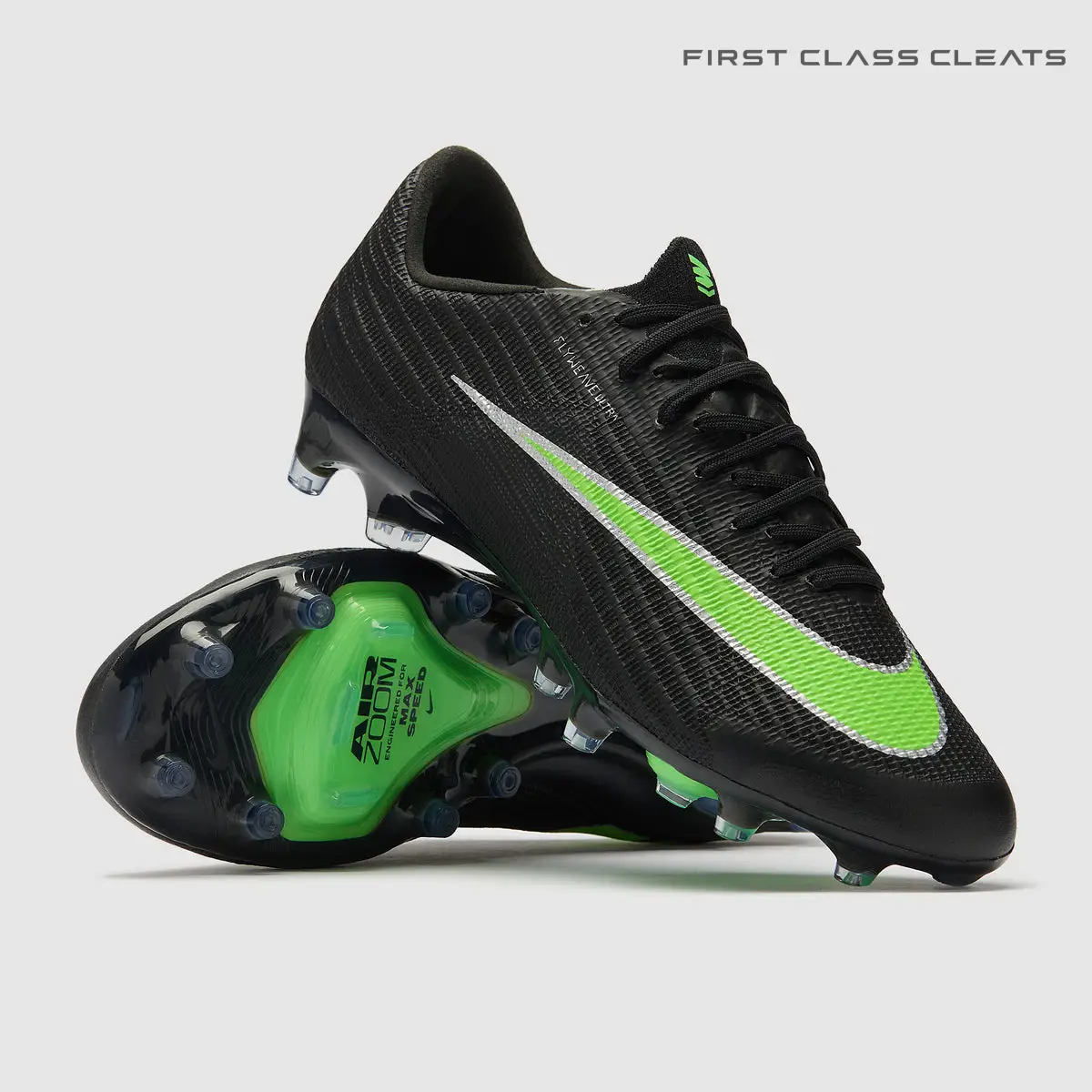
How Should Football Boots Fit? A Practical Buyer Check
2026-10-02
How should football boots fit? The useful answer is secure and comfortable for the wearer, without assuming that one size, width or shape works across every model. Product names, sole labels and photographs do not reveal how a boot will feel on your foot.
This guide explains a careful fit-check process using live FootballTHJORE listings. It is general shopping guidance, not medical advice, and it does not claim that a particular boot shape, material or construction will suit you.
Check length, width, heel hold, pressure points and how the boot feels with the socks you plan to use. Your toes should not be forced into a painful position, and your heel should not move so much that control or comfort becomes a problem. A secure feel should not depend on numbness, pinching or pain.
If you have foot pain, an injury or a medical concern, seek appropriate professional advice rather than relying on a general size guide.
A six-step fit check
Measure both feet. Use the larger measurement when comparing with available sizing information.
Wear the intended socks. Sock thickness changes the available space.
Check length while standing. Confirm that the toes are not compressed.
Check width and pressure. Look for pinching across the forefoot or sides.
Check heel movement. Walk carefully and notice whether the heel lifts excessively.
Recheck after several minutes indoors. Do not rely on the first few seconds.
Relies more on the boot’s fixed opening and upper shape
Fit check
Test without overtightening
Confirm secure hold without a lace system
Buying risk
Do not use tight lacing to disguise a poor size
Do not assume stretch will solve pressure
Do football boots need “breaking in”?
Do not buy a painful size on the assumption that it will become correct later. Some wearers may notice a change in feel with use, but the extent depends on the specific boot and cannot be guaranteed from a product title. The starting fit should be wearable and free from concerning pressure.
Size labels and model changes
A size that works in one model may not feel the same in another. Compare the exact product, not just the brand or numeric label. Measure again when switching between a high-collar, low-cut, laced or laceless design.
Keep the full product name and selected size in your order notes. If the page offers a size chart, use its units carefully and do not mix centimetres, inches, UK, US or EU labels.
Length fits, but the boot still feels wrong: what to check
A size number cannot describe the whole shape of a boot. Compare both feet with the intended socks and normal lace tension. Record where the mismatch occurs before deciding whether a different size or a different shape is worth trying.
Toes reach the end while standing: recheck the foot measurement and the exact size chart. Do not plan to solve insufficient length by forcing the upper to stretch.
Length seems suitable but the forefoot feels squeezed: compare another shape as well as another size. Extra length alone does not establish that the width is right.
The heel lifts while the front feels tight: note both problems. Tightening every lace harder is not evidence of a successful fit.
One foot fits differently: assess the pair against both feet rather than judging only the more comfortable side.
Foot length is not always the centimetre label on the box
Nike's soccer-cleat size guide explicitly distinguishes measured foot length from the CM marking on a shoe box. It also describes different fit preferences, showing why a single numeric label does not settle every fit question. Those are Nike's own instructions, not verification that an identically named store listing has the same construction or fit.
When requesting sizing help, send the exact product URL, the size system shown in its selector and your measured foot lengths with units. Ask which footwear chart applies. A clothing chart, a generic conversion table or a photograph of the silhouette is not a substitute for the correct model's sizing information.
Use this guide for the initial fit decision. For first wear after a suitable fit is established, read our soccer-cleat break-in checks; breaking in is not a remedy for the wrong size.
Source review: 24 October 2026. FootballTHJORE sells football footwear. These are source-based shopping checks, not a personal wear test or a promise that any listed model will fit a particular foot.
Summary
Football boots should fit securely and comfortably across length, width and heel, with the socks you intend to wear. Measure both feet, compare the exact model, test pressure points and heel movement, and never rely on pain or hoped-for stretching as a fit strategy. The live product page and its current size options should remain part of the final check.
 USD
 ANG(ƒ)
 LKR(₨)
 EGP(EGP)
 BZD(BZ$)
 CRC(¢)
 MAD(DH.)
 OMR(RO.)
 KES(KSh)
 GHS(₵)
 UGX(USh)
 RSD(RSD)
 RON(lei)
 PGK(K)
 CDF(CDF)
 UYU($U)
 KZT(〒)
 PKR(Rs)
 MNT(₮)
 ARS(ARS$)
 COP(COP)
 MVR(Rf)
 IQD(د.ع)
 BDT(Tk)
 ZMW(ZK)
 NAD(N$)
 JMD(J$)
 AOA(Kz)
 MMK(K.)
 PEN(S/.)
 MOP(MOP$)
 BND(B$)
 LAK(₭)
 VND(₫)
 NGN(₦)
 KHR(៛)
 TWD(NT$)
 CNY(¥)
 SAR(S.R.)
 BHD(BD.)
 QAR(QR.)
 KWD(K.D.)
 UAH(₴)
 IDR(Rp)
 MYR(RM)
 AED(AED)
 JPY(円)
 INR(Rs)
 TRY(₺)
 CLP(CLP)
 KRW(₩)
 ZAR(R)
 SEK(Kr)
 ILS(₪)
 HKD(HK$)
 THB(฿)
 PLN(zł)
 NZD(NZ$)
 NOK(Kr)
 MXN(MXN$)
 HUF(Ft)
 CZK(Kč)
 SGD(S$)
 PHP(₱)
 DKK(kr.)
 CHF(CHF)
 BRL(R$)
 RUB(₽)
 CAD(CA$)
 AUD(A$)
 GBP(£)
 EUR(€)
 Barcelona
 Real Madrid
 Manchester United
 Inter Miami
 Manchester City
 Fc Bayern
 Ac Milan
 Chelsea
 Juventus
 Arsenal
 PSG
 Liverpool
 Inter Milan
 Santos FC
 Roma
 Portugal
 Al Nassr
 Atletico Madrid
 Everton
 Everton
 Germany
 Ajax
 Mexico
 Napoli
 Columbia
 Sporting lisbon
 France
 Tottenham
 Morocco
 Real Betis
 Brazil
 USA
 ltalia
 Argentina
 England
 Borussia Dortmund
 Spain
 Japan
 Netherlands
 Adidas
 Nike
 Puma
 NB
 Kappa